
 By frontside
SEA GAMES 2027: ASEAN SKATEBOARDING CALLS FOR RECONSIDERATION, OFFERS SUPPORT FOR MALAYSIA TO HOST THE COMPETITION
WHY SKATEBOARDING MATTERS AT SEA GAMES 2027
1. Protecting the next generation of athletes – Skateboarding is an official Olympic sport and an important development pathway for young athletes across Southeast Asia. Its exclusion from the 2027 SEA Games means emerging talents risk losing valuable opportunities to compete, gain experience and progress towards the international stage.
2. Strengthening regional cooperation and sporting development – Five nations have expressed their willingness to support Malaysia in bringing skateboarding into the 2027 SEA Games programme, including exploring financial assistance to help organise the competition. This is an opportunity for ASEAN countries to work together to grow the sport.
3. Creating opportunities for Malaysia’s local skateboarding industry – Hosting skateboarding could generate economic opportunities for local skate shops, independent skateboard brands, equipment suppliers and other small and medium-sized enterprises (SMEs). The excitement and exposure surrounding the SEA Games could bring new audiences, customers and investment into Malaysia’s skateboarding ecosystem.
THE CASE FOR SKATEBOARDING AT SEA GAMES 2027
Skateboarding has been left out of the 43 sports agreed for the 2027 SEA Games in Malaysia. This decision raises serious concerns among skateboarding communities and national federations across Southeast Asia about the future development of the sport in the region.
As an official Olympic sport, skateboarding has become an important pathway for young athletes across ASEAN to develop their skills, gain international exposure and pursue their ambitions on the world stage. Its exclusion from the 2027 SEA Games means losing a significant regional platform for some of Southeast Asia’s most promising young talents at a crucial stage in their development.
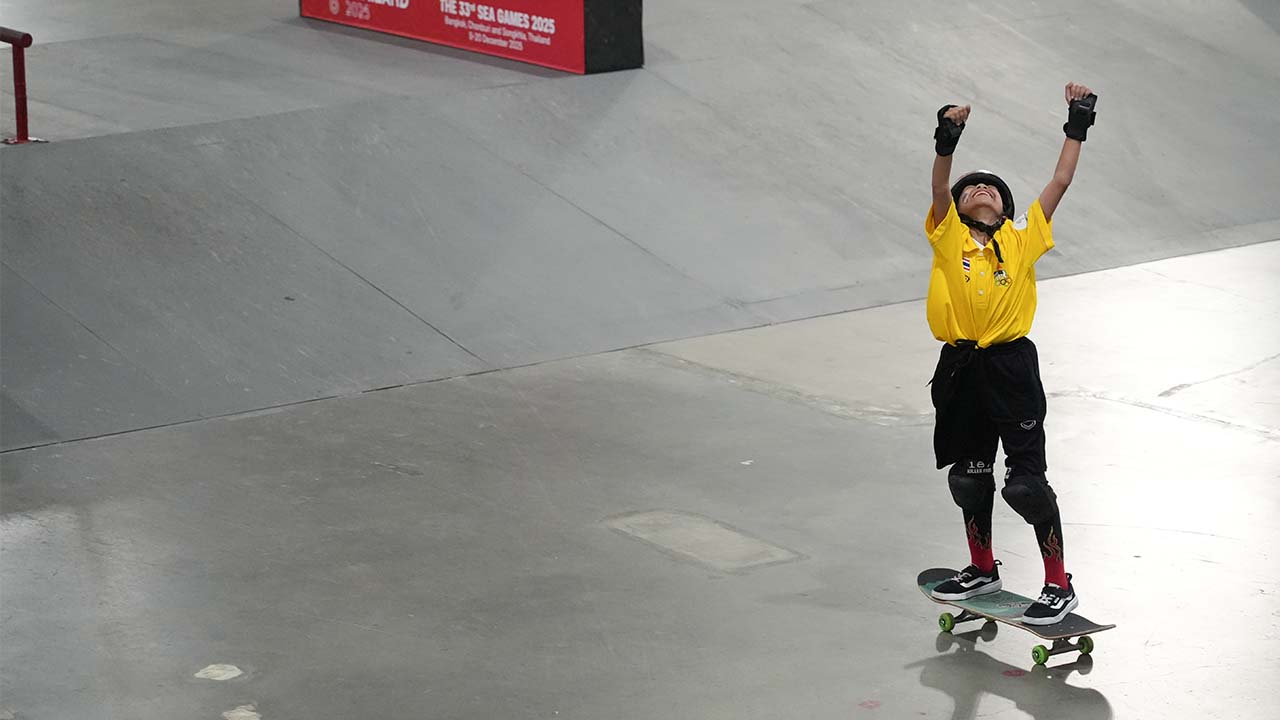
Athletes such as Ni Wayan Malana of Indonesia, Chunkao ‘Mini’ Udomphen of Thailand, Mazel Paris of the Philippines, Felix Felipe Rui of Singapore and Momo Khan of Malaysia represent a new generation demonstrating the growing strength and potential of Southeast Asian skateboarding.
Malaysia has already witnessed what sustained athlete development and international exposure can achieve. Mahathir Nor Daniel’s participation in the Youth Olympic Games in Dakar 2026 marks an important milestone for Malaysian skateboarding and demonstrates the potential of homegrown talent to compete on the international stage.
However, producing athletes capable of reaching international competitions is only part of the journey. Their development requires a continuous and sustainable competition pathway, supported by opportunities to compete at national and regional levels. Platforms such as the SEA Games play an important role in bridging that gap, allowing athletes to gain experience, measure their progress and prepare for higher levels of international competition.
Without these opportunities, the progress made in developing the next generation of skateboarders risks losing its momentum.
Recognising the challenges of organising sporting events, ASEAN Skate Initiative believes there is a practical way forward. Representatives from five nations have expressed their willingness to support Malaysia in bringing skateboarding into the SEA Games 2027 programme, including exploring opportunities to assist with the financial requirements of staging the competition.
This regional commitment presents an opportunity for Malaysia to host skateboarding through a more manageable and collaborative approach, without placing the entire financial burden on the host nation.
We propose that Malaysia consider a streamlined competition format featuring men’s and women’s street skateboarding, alongside downhill skateboarding and a nation-based Game of Skate competition. This would provide a practical way to introduce multiple disciplines while creating additional medal opportunities for participating countries.
Downhill skateboarding, in particular, offers Malaysia an opportunity to showcase its strengths in a discipline where the country has achieved international recognition. World champion Abdil Mahdzan is among the athletes who could represent Malaysia in this event.
Meanwhile, a nation-based Game of Skate competition could introduce another exciting dimension to the programme, allowing each participating country to compete for additional medals.
Malaysia is also well positioned to host an ASEAN-level skateboarding competition, with infrastructure and experience already in place. Pokok Sena has demonstrated its hosting capabilities through Skate Tour ASEAN 2025, organised by the Malaysia Skate Federation (MySKATE), which brought together athletes from six nations.
The competition provided a valuable regional platform for emerging athletes and demonstrated Malaysia’s ability to organise an international skateboarding event. Malaysian athletes came close to securing a medal in street skateboarding, while Nur Tia Adelisa (Chicha) won silver and Adelia Haziqah (Yaya) secured bronze in the women’s park category. These results further underline the country’s growing competitiveness and the value of having regional competitions hosted on home ground.
Beyond sporting achievements, hosting skateboarding at the SEA Games could also generate positive economic and cultural momentum for Malaysia’s local skateboarding industry. The excitement and exposure surrounding a regional multi-sport event would create opportunities for local skate shops, independent skateboard brands, equipment suppliers, event organisers and other SMEs within the skateboarding community to grow their businesses.
Increased interest in skateboarding could encourage more young people to take up the sport, attract new audiences and customers, and create greater demand for locally produced products, services and skateboarding-related activities. It would also give local businesses an opportunity to showcase Malaysian skateboarding culture to visiting athletes, officials and supporters from across Southeast Asia.
The impact of hosting should therefore extend beyond the competition venue. It could help strengthen an entire ecosystem of athletes, communities, businesses and grassroots organisations that have supported the growth of skateboarding in Malaysia for decades.
Beyond its infrastructure and hosting experience, Malaysia also has a rich skateboarding heritage spanning decades of culture, community and international achievement. Few figures embody this legacy better than Pa’din Musa, a Malaysian skateboarding legend who won two gold medals at the Asian X Games in 1999 and 2004.
This history, combined with a new generation of internationally competitive athletes, gives Malaysia a strong foundation to take a leading role in the future of skateboarding across Southeast Asia.
The SEA Games has always been more than a medal tally. It is a platform for regional sporting development, shared ambition and the next generation of athletes. The exclusion of skateboarding would not only affect Malaysian athletes but also limit development opportunities for emerging skateboarders throughout Southeast Asia, potentially weakening the region’s long-term pathway towards the Olympic stage.
ASEAN Skate Initiative respectfully urges the Olympic Council of Malaysia, the Southeast Asian Games Federation and the relevant organising authorities to reconsider the exclusion of skateboarding and explore the possibility of including it in SEA Games 2027.
With regional support, a practical competition format, existing infrastructure, proven hosting experience and a strong skateboarding heritage, Malaysia has an opportunity to make this happen.
This is not simply about bringing another sport into the SEA Games. It is about sustaining the progress of a generation of athletes, strengthening regional cooperation, creating opportunities for local businesses and ensuring that Southeast Asia’s young skateboarders continue to have a platform on which to grow, compete and pursue their dreams.
Malaysia has the opportunity to lead this effort. Let us ensure that the progress of skateboarding in Southeast Asia, and at home, does not come to a standstill.